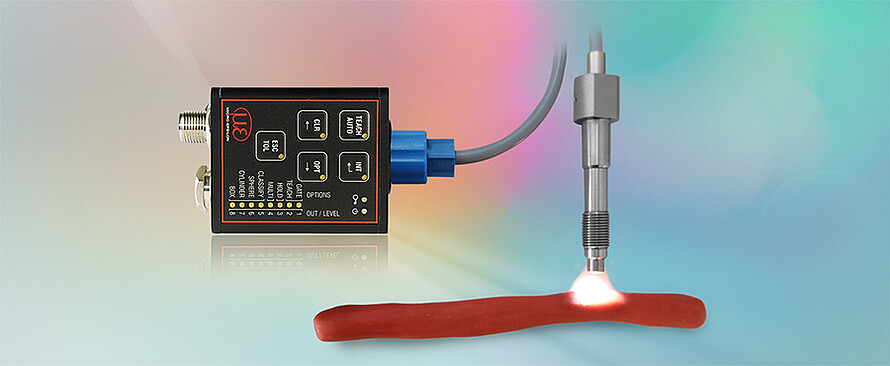
Entistäkin kestävämpi ratkaisu äärimmäisiin prosessiolosuhteisiin: uudet CFS-anturimallit mahdollistavat tarkan, prosessinaikaisen (inline) värimittauksen suoraan ekstruuderissa jopa 2 400 baarin paineessa ja +500 °C:n lämpötilassa. Näin…
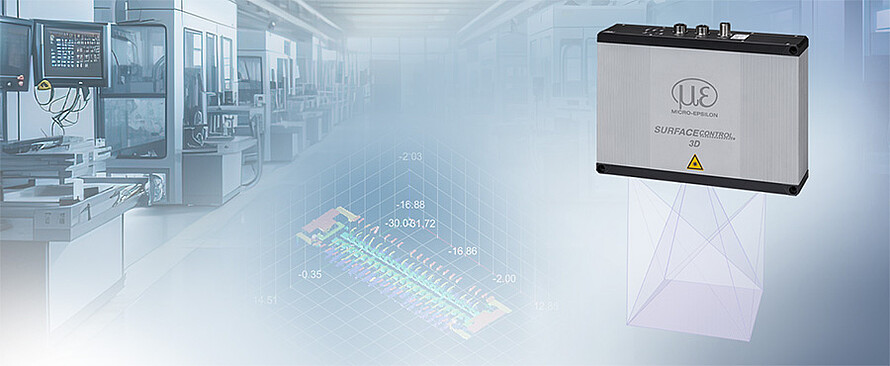
Uusi surfaceCONTROL 3D 3560 yhdistää erittäin tarkan 3D-mittauksen, käsittelyn ja analysoinnin suoraan anturiin. Älykäs tiedonkäsittely mahdollistaa mittausohjelmien poikkeuksellisen nopean suorituksen ja vähentää samalla järjestelmän…
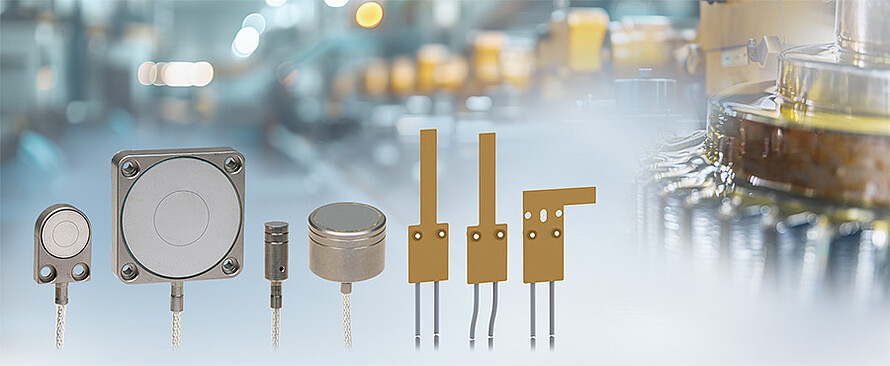
Micro-Epsilon laajentaa kapasitiivisten siirtymäanturien valikoimaansa uusilla capaNCDT CSH/SE -malleilla, jotka on suunniteltu erityisen vaativiin käyttöolosuhteisiin. Uudet, kompaktit rakoanturit tarjoavat myös enemmän vapautta…
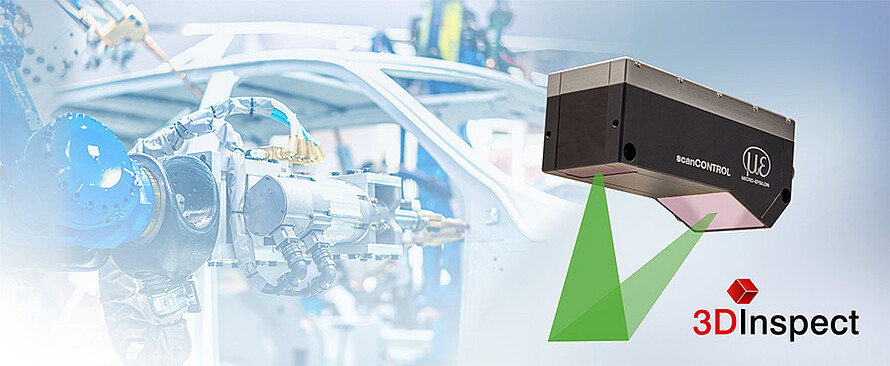
3DInspect 3.1 on uusin versio Micro-Epsilonin yhtenäisestä ohjelmistoratkaisusta 3D-antureille. Uudet mittaus- ja esikäsittelyohjelmat, laajennetut 2D-kuva-analyysit sekä tuki scanCONTROL 8x00 SMART -malleille tuovat entistä enemmän joustavuutta…